Recycling and Sustainability at Stockwell Removals
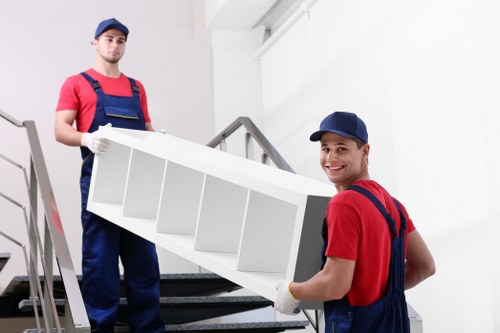 At Stockwell Removals, sustainability is built into the way we plan, pack, transport, and dispose of unwanted items. Our approach to recycling and sustainable removals is designed to reduce landfill, support local reuse networks, and keep each move as efficient as possible. We understand that moving home or business can create a large volume of materials, from cardboard and bubble wrap to old furniture and electrical items, so we focus on practical recovery methods that give waste a second life wherever possible.
Our recycling percentage target is to divert at least 90% of suitable move-related waste away from landfill through reuse, recycling, and responsible recovery routes. This target applies across our operations, including packing material segregation, furniture sorting, and the careful handling of recyclable goods. By setting a clear benchmark, Stockwell removals recycling processes remain measurable, accountable, and continuously improving.
We work across South London with an emphasis on local transfer stations and licensed waste facilities that can separate and process mixed materials efficiently. These sites help with common removal waste such as cardboard, paper, scrap metal, rigid plastics, wood, and green waste from cleared gardens. In boroughs where household recycling rules are increasingly detailed, our team supports sorting that aligns with local waste separation expectations, making sure items are routed correctly before they enter the recovery chain.
One of the strengths of our Stockwell removals sustainability plan is our partnership approach. We collaborate with charities, donation centres, and reuse organisations so that furniture, kitchenware, books, toys, and office equipment can be passed on when they are still in usable condition. Rather than treating every item as waste, we assess whether it can be reused by someone else, helping charities raise funds and reducing the need for new products to be manufactured.
 This reuse-first mindset is especially important in densely populated areas where move-outs often include high volumes of mixed items. For example, when clients in nearby boroughs clear flats or offices, we frequently find a combination of recyclable packing materials, reusable furniture, and electrical items that require specialist handling. By separating these streams early, our recycling-focused removals process avoids contamination and improves the quality of materials sent to recycling partners.
We also recognise that effective sustainability depends on transport. That is why our fleet includes low-carbon vans that are chosen for fuel efficiency and lower emissions. These vehicles support shorter urban routes, reduce idle time in traffic, and help lower the carbon footprint associated with each move. In a busy area like Stockwell and the wider boroughs around it, efficient routing and modern vehicles make a real difference to emissions.
How We Handle Reuse, Recycling, and Responsible Disposal
 Our moving crews follow a simple but structured process. Items are sorted into categories for donation, reuse, material recycling, or disposal through licensed channels. Cardboard boxes are flattened for paper and card recycling, metals are separated for specialist processing, and clean timber is directed to wood recovery where possible. Even small things, such as wrapping paper and protective packaging, are reviewed for whether they can be reused on future jobs.
Stockwell Removals also takes care with electrical and electronic equipment. Old printers, monitors, kettles, and similar items may contain components that should not enter general waste. These are handled through appropriate WEEE routes so that reusable parts and recyclable metals can be recovered safely. This is an important part of our Stockwell removals recycling service, especially for office relocations where redundant tech can accumulate quickly.
In residential areas, borough recycling rules often encourage residents to separate dry mixed recycling from general waste, and we reflect that same principle in our work. By keeping cleaner material streams apart, we improve the likelihood that cardboard, plastics, and metals are accepted by local processors. This attention to detail helps us support borough-wide efforts to keep recycling contamination low and recovery rates high.
Supporting the Local Circular Economy
Our sustainability strategy is not only about reducing waste; it is also about supporting the local circular economy. When items are donated to charities or resold through reuse channels, they remain in circulation for longer, reducing demand for new production. This is particularly valuable in London, where space is limited and the cost of disposal can be high. A thoughtful Stockwell removals sustainability model benefits households, businesses, and the wider community.
We work with local transfer stations that are equipped to handle mixed loads from moves, clearances, and packing operations. These facilities often play a key role in sorting materials by type, whether that means separating clean cardboard from contaminated packaging or sending scrap metal to specialist recyclers. Local transfer stations also help us manage bulky items in a controlled way, ensuring that recoverable materials are not lost in general waste streams.
By using these local networks, we keep transport distances shorter and help reduce unnecessary emissions. That matters in boroughs where congestion and stop-start driving can otherwise raise the environmental impact of a move. Combined with our low-carbon vans, careful route planning, and reuse partnerships, our service is designed to be efficient from collection to final processing.
A Practical Approach for Homes and Businesses
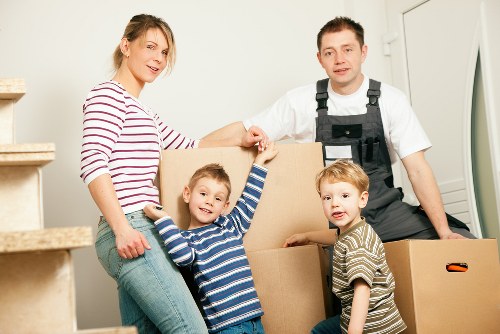 For homeowners, our recycling-led approach can make decluttering less stressful because useful items are identified early and directed to the right place. Sofas, tables, shelving, and household goods may be suitable for donation, while damaged items can be dismantled for component recovery. This reduces the volume of waste needing disposal and improves the overall environmental performance of each move.
For businesses, the benefits are equally clear. Office relocations often involve redundant furniture, archive materials, IT equipment, and packaging waste. Our team helps separate these into reusable, recyclable, and specialist disposal categories. In doing so, we support Stockwell removals recycling goals while helping businesses demonstrate stronger environmental responsibility.
We also pay attention to seasonal and area-specific waste patterns. In some boroughs, post-renovation clearances may generate more plasterboard, timber, and mixed construction waste; in others, residential moves produce larger volumes of cardboard and soft plastics. Recognising these patterns allows us to work with the right facilities and keep our waste handling aligned with local recovery capabilities.
Committed to Lower Impact Moving
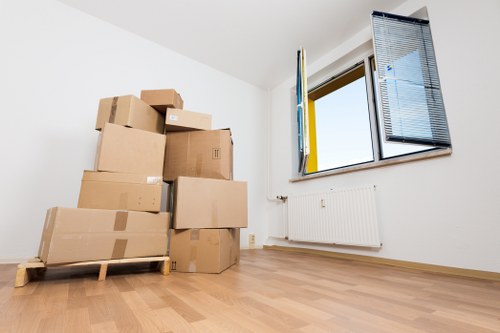 The future of moving is lower impact, more circular, and more resource-aware. At Stockwell Removals, we are committed to reaching and maintaining our 90% recycling and recovery target through practical action, not just policy. That includes choosing low-carbon vans, using local transfer stations, supporting charities through donations, and following borough-friendly waste separation practices that protect the value of recyclable materials.
Every move presents an opportunity to do things better. With responsible sorting, reuse partnerships, and efficient transport, our recycling and sustainability work helps reduce landfill, support community organisations, and cut emissions at the same time. It is a simple idea with lasting benefits: move well, waste less, and keep useful materials in circulation for as long as possible.